
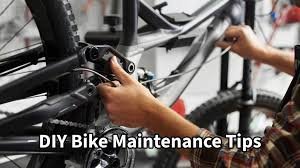
Why Regular Bicycle Care Matters
A bicycle that is well-maintained provides safer, smoother, and more enjoyable rides. Proper upkeep reduces wear and tear, extends the life of your bike, and prevents unexpected breakdowns. Even simple knowledge of how to maintain your bike at home can save time, money, and improve your overall riding experience.
Getting to Know Your Bike
Understanding the different components of your bicycle is essential before performing any maintenance. Familiarize yourself with the frame, wheels, tires, brakes, chain, gears, pedals, and handlebars. Knowing how these parts function together allows you to identify potential problems early and address them before they become serious.
Performing Routine Checks
Regular inspections are key to preventing small issues from escalating. Examine tires for cuts, cracks, or worn tread. Test brakes to ensure proper engagement and stopping power. Inspect chains and gears for dirt, rust, or signs of wear. Tighten any loose bolts and check that handlebars and the seat are secure. A brief inspection before each ride ensures safety and reliability.
Cleaning Techniques for Longevity
A clean bicycle operates more efficiently and lasts longer. Dirt and grime accumulate on chains, gears, brakes, and the frame, causing friction and corrosion. Use a soft brush and mild soap to wash your bike, avoiding harsh chemicals that can damage sensitive parts. After cleaning, dry the bicycle thoroughly and lubricate the moving components to maintain smooth operation.
Keeping Tires in Top Shape
Tires are critical for safety and performance. Check air pressure regularly and inflate to recommended levels. Inspect for cuts, cracks, or worn tread and replace when necessary. For long rides, carry a spare tube or patch kit to handle flat tires. Proper tire care ensures stability, comfort, and efficiency.
Chain and Drivetrain Maintenance
The drivetrain, including the chain, cassette, and derailleurs, must be kept in good condition for efficient pedaling. Clean the chain and apply bike-specific lubricant to prevent rust and reduce friction. Check for chain wear and replace it before it damages other drivetrain components. Clean cassettes and chainrings to maintain smooth shifting.
Ensuring Reliable Brakes
Brakes are one of the most critical components for safety. Inspect brake pads for wear and replace them if necessary. Make sure brake cables are free-moving and not frayed. Adjust brake tension for proper engagement. For disc brakes, keep the rotors clean and free of debris. Properly maintained brakes provide control and confidence on every ride.
Optimizing Gear Performance
Smooth gear operation improves efficiency and reduces strain. Ensure derailleurs shift accurately and adjust cable tension when needed. Lubricate pivot points and inspect cables for signs of wear. Well-functioning gears allow for easier riding and extend the lifespan of your drivetrain.
Lubricating Moving Parts
Lubrication is essential to prevent rust and minimize friction. Apply lubricant to the chain, derailleurs, and brake pivots. Avoid over-application, which can attract dirt. Wipe excess lubricant for cleanliness. Proper lubrication ensures a quiet, smooth, and efficient ride.
Maintaining Wheels and Bearings
Wheels are crucial for stability and ride quality. Check for trueness, inspect spokes, and tighten or replace if necessary. Ensure hub bearings rotate freely and lubricate them periodically. Well-maintained wheels improve handling, reduce vibration, and prevent damage to other components.
Caring for Suspension Systems
Bicycles with suspension need attention to maintain comfort and control. Inspect forks and shocks for leaks or irregular movement. Clean stanchions and seals and apply manufacturer-recommended lubricant. Adjust suspension based on your weight, terrain, and riding style. Proper suspension care enhances ride smoothness and control.
Simple Repairs You Can Handle
Learning to fix minor issues yourself builds confidence and reduces repair costs. Tasks like fixing flat tires, adjusting brakes, replacing chains, and tightening loose bolts are essential skills. Keep a basic toolkit with tire levers, hex keys, screwdrivers, and a pump. With practice, many common problems can be solved at home.
Storing Your Bike Correctly
Proper storage protects your bike from weather and environmental damage. Store it indoors in a cool, dry location away from sunlight and moisture. If storing for a long period, clean, lubricate, and cover the bike to prevent dust and corrosion.
Professional Tune-Ups
Even if you maintain your bike at home, periodic professional service is recommended. Annual tune-ups can catch hidden issues such as bearing wear, wheel truing needs, or brake adjustments. Combining home care with professional checks ensures peak performance and longevity.
Pre-Ride Safety Checks
Quick pre-ride inspections improve safety. Check that brakes respond, gears shift smoothly, and tires are properly inflated. Verify that quick release levers are secure and listen for unusual noises. A short safety check helps prevent breakdowns and gives peace of mind during rides.
Riding Techniques to Reduce Wear
The way you ride impacts your bike’s longevity. Avoid harsh braking, sudden shifts under heavy load, and aggressive maneuvers. Maintain a consistent pedaling rhythm and anticipate terrain changes. Smooth and controlled riding reduces stress on the bike and prolongs the life of its components.
Tracking Maintenance History
Keeping records of your maintenance activities helps you plan replacements and avoid unexpected issues. Note when chains, tires, brake pads, and lubricants are changed. Tracking these intervals ensures timely care, especially for commuters and frequent riders.
Upgrading Components for Better Performance
Replacing worn or outdated components can enhance efficiency and safety. Invest in durable, high-quality parts for brakes, tires, wheels, and drivetrain components. Upgrades combined with routine maintenance result in smoother, safer, and more enjoyable rides.
Creating a Consistent Maintenance Routine
Establishing regular cleaning, lubrication, inspections, and minor repairs keeps your bicycle performing optimally. Consistency in maintenance ensures reliability, extends the lifespan of parts, and makes every ride safer and more enjoyable.
Conclusion
Maintaining your bicycle through cleaning, lubrication, inspections, and occasional professional service ensures safety, performance, and enjoyment. With the right care and occasional upgrades, your bike can provide years of reliable and efficient riding. Investing time and effort in maintenance empowers you to ride confidently, comfortably, and safely every time.