
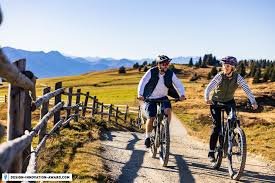
Cycling is going through a remarkable period of change. What was once considered a simple means of transportation or a recreational pastime has grown into a powerful global movement. Today, cycling influences urban planning, environmental policy, technological innovation, tourism, and everyday lifestyles.
As cities search for smarter mobility solutions and individuals look for healthier and more sustainable ways to travel, bicycles are becoming more relevant than ever. This article explores the major trends, innovations, and cultural shifts that are shaping the future of cycling worldwide.
Cycling Is Becoming a Major Global Industry
The global cycling industry continues to expand at an impressive pace. Market growth is being fueled by rising awareness of health and fitness, increased traffic congestion in urban areas, and growing concern about environmental sustainability.
Bicycles are no longer limited to basic commuting or sport. They now serve multiple purposes including daily transportation, recreation, fitness, delivery services, and tourism. This diversity has helped the industry reach new audiences and maintain steady growth across regions.
Electric bikes, adventure focused bicycles, and multi purpose designs are playing a key role in attracting new riders. As production improves and prices become more competitive, cycling is becoming accessible to a wider range of people than ever before.
Electric Bikes Are Reshaping Modern Transportation
Electric bicycles have quickly become one of the most important developments in the cycling world. By providing pedal assistance, electric bikes make riding easier, faster, and more practical for everyday use.
For urban commuters, electric bikes offer a reliable alternative to cars and crowded public transport. Riders can travel longer distances without excessive effort, making cycling possible even in challenging terrain or hot climates.
Electric bikes are also changing perceptions about who can ride. Older adults, casual riders, and people returning to cycling after long breaks are finding electric assistance helpful and empowering. As a result, cycling participation is increasing across different age groups and fitness levels.
Beyond commuting, electric bikes are widely used for cargo transport, family travel, touring, and commercial deliveries. Their flexibility has positioned them as a key solution in modern mobility systems.
Technology Is Enhancing the Cycling Experience
Cycling is no longer purely mechanical. Technology has become deeply integrated into how bicycles are designed, used, and maintained.
Many modern bikes feature smart systems that connect to mobile devices. These systems allow riders to monitor speed, distance, navigation, and battery usage in real time. Built in GPS tracking and security features help protect bikes from theft and loss.
Advanced electric bikes can automatically adjust power levels based on riding conditions, terrain, and rider behavior. This improves efficiency and comfort while reducing physical strain.
Technology is also transforming the cycling industry behind the scenes. Digital platforms are improving customer support, inventory management, insurance services, and fleet operations. These innovations are helping cycling evolve into a fully connected mobility ecosystem.
New Bike Designs Are Changing How People Ride
The cycling market has seen a rise in versatile and adventure focused bicycle designs. Riders are increasingly looking for bikes that offer flexibility rather than specialization.
Gravel bikes have become a popular choice because they perform well on both paved roads and rough surfaces. These bikes encourage exploration and long distance riding while offering comfort and stability.
With features such as wider tires, relaxed riding positions, and multiple attachment points, gravel bikes appeal to commuters, travelers, and recreational riders alike. Many cyclists now prefer one adaptable bike instead of owning multiple models.
Road bikes and performance bicycles are also evolving. High end models now include electronic shifting, integrated components, and improved aerodynamics. As technology becomes more affordable, these features are gradually reaching mid range bicycles.
Infrastructure Plays a Critical Role in Cycling Growth
Safe and accessible infrastructure is essential for the continued growth of cycling. Cities around the world are investing in protected bike lanes, improved intersections, and traffic calming measures to create safer environments for riders.
European cities continue to lead in cycling infrastructure, offering well connected networks that support commuting, leisure riding, and tourism. Long distance cycling routes are also expanding, helping boost regional travel and local economies.
Public policy has a major influence on cycling adoption. Governments are increasingly supporting cycling through funding and planning initiatives. At the same time, discussions around regulation continue as officials seek to balance safety with accessibility and convenience.
Safety and Quality Are Gaining Greater Attention
As cycling becomes more widespread, safety and product quality are becoming top priorities. Advances in materials and engineering have improved performance but also increased the importance of strict quality control.
Manufacturers are placing greater emphasis on durability, testing, and compliance with safety standards. Occasional product recalls highlight the need for transparency and consumer awareness.
Education campaigns focused on safe riding practices are also becoming more common. These initiatives encourage helmet use, visibility, road awareness, and responsible behavior, particularly as electric bikes become more popular in urban environments.
Cycling Culture Is Expanding and Becoming More Inclusive
Cycling culture is changing to reflect modern lifestyles and social values. Participation is increasing among women, families, young adults, and older riders.
Community cycling groups, beginner friendly events, and social rides are helping make cycling more welcoming and accessible. These initiatives reduce barriers and help new riders gain confidence.
Cycling tourism is also evolving. Riders are increasingly interested in scenic routes, wellness focused travel, and sustainable experiences rather than competitive or performance driven trips. This shift is attracting a broader audience to cycling based travel.
Regional Trends Highlight Cycling’s Global Impact
Different regions are shaping the future of cycling in unique ways. Europe continues to set benchmarks for everyday cycling and infrastructure development. Northern European countries remain leaders in electric bike adoption and urban integration.
In parts of Asia and Latin America, cycling is growing rapidly due to affordability, population density, and government supported initiatives. These regions demonstrate how cycling can adapt to diverse economic and cultural environments.
Together, these global trends show that cycling is not limited to one region or lifestyle. It is a flexible and scalable solution with worldwide relevance.
What the Future Holds for Cycling
The future of cycling will be defined by continued innovation and integration. Electric bikes will play an even greater role in transportation systems. Smart technology will enhance safety, personalization, and efficiency. Infrastructure investment will determine how deeply cycling is embedded in urban life.
Environmental concerns and public health priorities will continue to push cycling into the spotlight. As cities address pollution, congestion, and rising costs, bicycles offer a practical and sustainable alternative.
Conclusion
Cycling is entering a new phase marked by innovation, accessibility, and global influence. What was once a simple mode of transport has become a central part of modern mobility and lifestyle choices.
With advancements in electric technology, digital integration, infrastructure development, and cultural inclusion, cycling is well positioned to shape the future of transportation. For individuals and communities alike, bicycles represent a healthier, cleaner, and more connected way forward.