
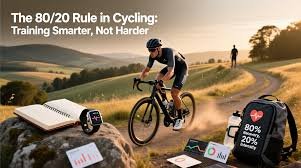
Cycling is more than just a method of transportation or a fun recreational activity. It has grown into a lifestyle, a fitness practice, and a practical means of commuting. Whether you ride to work, for fitness, or simply for pleasure, improving your cycling technique can significantly enhance your efficiency, comfort, and safety. Learning to ride smarter helps you make better decisions on the road. Riding stronger improves stamina and performance, while riding safer reduces the risk of accidents and injuries.
In this comprehensive guide, we’ll explore practical tips, essential techniques, and expert advice to help cyclists of all skill levels ride with confidence, efficiency, and security.
Knowing Your Bicycle
The foundation of safe and effective cycling begins with understanding your bike and ensuring it is correctly adjusted for your body. A properly fitted bicycle not only improves comfort but also enhances control and reduces the chance of injuries.
- Saddle Height: Set your saddle so that your legs have a slight bend at the bottom of the pedal stroke. An improperly adjusted seat can lead to knee pain or reduced stability.
- Handlebar Position: The right handlebar height ensures a neutral posture, minimizing strain on the back, shoulders, and wrists.
- Maintenance: Routine checks of tire pressure, brakes, gears, and the chain prevent mechanical failures and ensure smoother, safer rides.
Perfecting Basic Riding Skills
Good cycling technique allows you to ride longer and more comfortably. Small changes in posture and pedal stroke can dramatically improve performance.
- Relax Your Upper Body: Keep shoulders loose, elbows slightly bent, and hands light on the handlebars to reduce fatigue and increase control.
- Smooth Pedaling: Focus on pedaling in a circular motion rather than simply pushing down, which engages more muscles and conserves energy.
- Vision and Awareness: Keep your eyes forward to spot obstacles, traffic, and changes in terrain early, giving you time to respond appropriately.
Building Strength and Endurance
Cycling requires both stamina and muscular strength. Training effectively ensures you can ride longer and tackle diverse conditions.
- Start Gradually: Begin with consistent rides at a moderate pace to build a solid aerobic base.
- Interval Training: Alternate between periods of higher effort and recovery to enhance cardiovascular fitness and power output.
- Hill Training: Riding uphill strengthens leg muscles and improves climbing ability. Maintain a seated position for longer climbs to conserve energy, and stand for short, steep sections.
- Rest and Recovery: Allowing adequate rest is essential for muscle growth and avoiding overuse injuries.
Enhancing Bike Handling and Control
Mastering bike handling skills is vital for safe cycling, especially in traffic or challenging terrain.
- Practice Low-Speed Riding: Riding slowly improves balance and helps maneuver in tight spaces.
- Cornering Techniques: Enter turns at a controlled speed, lean the bike slightly, and keep your outside pedal down for stability.
- Smooth Braking: Use both brakes evenly, applying more pressure to the front for maximum stopping power while maintaining control. Avoid sudden braking, particularly on slippery surfaces.
- Body Positioning: Adjust your weight according to terrain and obstacles to maintain balance and stability.
Cycling in Traffic
Riding safely in urban areas requires awareness, predictability, and defensive riding habits.
- Follow Traffic Laws: Obey all signals and ride in designated bike lanes when available.
- Stay Visible: Avoid riding too close to parked cars and maintain a clear position on the road to ensure motorists can see you.
- Communicate: Use hand signals for turns and stops, and make eye contact with drivers when possible.
- Be Cautious at Intersections: Slow down, scan for vehicles and pedestrians, and anticipate potential hazards.
Essential Safety Gear
Using the right gear can significantly reduce the risk of injury and improve comfort.
- Helmet: A properly fitted helmet is the most critical safety item for every cyclist.
- Clothing: Bright or reflective attire increases visibility, especially in low light conditions.
- Gloves: Gloves protect your hands, improve grip, and reduce vibration on long rides.
- Lights: Front and rear lights enhance visibility and help other road users judge your position and speed.
Riding Smarter on the Road
Smart cycling is about awareness and foresight.
- Anticipate Hazards: Watch for potholes, debris, wet leaves, and gravel.
- Door Zone Safety: Avoid riding too close to parked cars to prevent accidents caused by opening doors.
- Adjust for Weather: Reduce speed, brake gently, and increase caution on wet or slippery roads.
- Defensive Riding: Assume that motorists may not see you and always have a plan to avoid collisions.
Long-Distance Cycling and Touring
For extended rides, maintaining comfort, energy, and focus is key.
- Consistent Pacing: Avoid starting too fast and establish a sustainable pace for the ride.
- Change Hand Positions: Switching grips prevents numbness and fatigue.
- Fuel and Hydration: Eat small portions throughout the ride and drink water regularly to sustain energy levels.
- Plan Routes: Choose roads with safe shoulders, designated bike lanes, and available rest stops to reduce stress and fatigue.
Mental Focus and Confidence
Riding safely also depends on mental preparedness.
- Stay Calm: Maintaining composure in unexpected situations improves reaction time.
- Build Confidence Gradually: Begin in controlled environments before tackling busy streets or technical trails.
- Learn From Experience: Mistakes are valuable lessons that help you refine skills and decision-making.
Common Cycling Mistakes to Avoid
Awareness of common errors ensures safer, more efficient cycling.
- Incorrect Bike Fit: Poor saddle height or handlebar position can lead to discomfort or injury.
- Overtraining: Riding without sufficient recovery can result in fatigue, burnout, or injury.
- Ignoring Safety Gear: Riding without a helmet or lights increases the risk of accidents.
- Neglecting Maintenance: Mechanical failures such as flat tires or faulty brakes can be dangerous.
Health and Lifestyle Benefits
Cycling offers numerous physical, mental, and environmental benefits.
- Fitness: Regular cycling improves cardiovascular health, strengthens muscles, and boosts endurance.
- Mental Wellbeing: Cycling relieves stress, enhances focus, and promotes mental clarity.
- Environmental Impact: Choosing a bicycle over a car reduces carbon emissions and contributes to cleaner air.
- Consistency: Incorporating cycling into daily routines promotes long-term health and active living.
Conclusion
Becoming a smarter, stronger, and safer cyclist is a continuous journey. By understanding your bicycle, practicing correct techniques, building strength and endurance, and prioritizing safety, you can improve performance, efficiency, and confidence. Cycling is not just a mode of transportation—it is a path to improved health, enjoyment, and sustainable mobility.
With consistent practice and mindful riding, every cyclist can enjoy longer, safer, and more rewarding rides while maximizing the benefits of this versatile activity.