
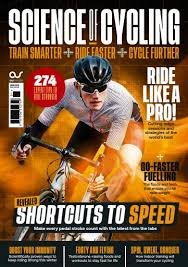
Cycling is more than just a mode of transport or a recreational activity. It has become a lifestyle a fitness practice and a practical way to commute. Whether you ride for commuting fitness or leisure improving your cycling skills can significantly enhance your performance comfort and safety. Riding smarter allows you to make better decisions on the road riding stronger builds stamina and efficiency and riding safely reduces the risk of accidents and injuries. This comprehensive guide provides practical tips techniques and expert advice to help cyclists of all levels ride with confidence efficiency and security.
Understanding your bicycle is the first step to effective riding. A correctly fitted bicycle increases comfort control and reduces the chance of injury. Saddle height should allow a slight bend in your legs at the bottom of the pedal stroke. Handlebar height and angle should allow a neutral posture reducing tension in your back shoulders and wrists. Regular maintenance including checking tires brakes chain and bolts ensures smooth performance and prevents mechanical failures.
Proper technique makes every ride more efficient and enjoyable. Relax your upper body keep your shoulders loose elbows slightly bent and hands relaxed on the handlebars. Pedal in a smooth circular motion rather than pushing straight down to engage more muscles and conserve energy. Keep your eyes forward to anticipate obstacles traffic and changes in terrain giving you more time to react safely.
Building strength and endurance is essential for longer and more challenging rides. Start with moderate rides to develop a strong aerobic base. Include interval training with short bursts of high effort followed by recovery to improve power and cardiovascular fitness. Riding uphill strengthens leg muscles and improves climbing ability. Stay seated for long climbs and stand briefly for short steep sections. Allow adequate rest for muscle recovery and growth and avoid overtraining to prevent fatigue and injuries.
Good bike handling skills improve control and confidence. Practice riding at slower speeds to enhance balance and maneuverability. Approach corners at a controlled speed lean the bike slightly and keep your outside pedal down for stability. Apply brakes smoothly with more pressure on the front brake while avoiding sudden braking especially on slippery or loose surfaces. Adjust your body weight according to terrain to maintain balance.
Cycling in traffic requires awareness predictability and defensive habits. Obey traffic rules and use bike lanes when available. Maintain a visible position on the road and avoid riding too close to parked cars. Use hand signals to communicate turns and stops and make eye contact with drivers when possible. Slow down at intersections scan for vehicles and anticipate potential hazards.
Wearing proper safety gear greatly reduces risk and improves comfort. A well fitted helmet is essential. Bright or reflective clothing increases visibility. Gloves protect your hands improve grip and reduce vibration on longer rides. Front and rear lights enhance visibility and help other road users gauge your position and speed.
Smart riding requires awareness and proactive decision making. Scan the road ahead for hazards including potholes debris wet leaves and gravel. Avoid riding too close to parked cars to prevent door accidents. Adjust speed braking and cornering to match weather conditions. Assume motorists may not see you and always have a plan to avoid collisions.
For longer rides maintaining comfort pacing and energy is critical. Keep a steady pace that you can sustain throughout the ride. Change hand positions regularly to prevent numbness and discomfort. Fuel your body by eating small amounts regularly and stay hydrated. Plan routes with safe roads and rest stops for a more enjoyable ride.
Mental focus and confidence are essential for safe cycling. Staying calm in unexpected situations improves decision making. Build confidence gradually by practicing in controlled environments before tackling busy streets or difficult trails. Learn from mistakes to refine skills and improve judgment.
Avoid common cycling mistakes to ride safely and efficiently. Ensure your bike fits properly with correct saddle height and handlebar position. Avoid overtraining without rest to prevent fatigue and injuries. Never skip wearing safety gear. Keep your bike well maintained to prevent mechanical failures such as flat tires or faulty brakes.
Cycling offers numerous physical mental and environmental benefits. Regular riding improves cardiovascular fitness strengthens muscles and builds endurance. Cycling relieves stress boosts focus and improves mood. Choosing cycling over motor vehicles reduces carbon emissions and supports cleaner air. Consistent cycling promotes long term health and wellness.
Becoming a smarter stronger and safer cyclist is an ongoing process. By understanding your bike mastering technique building strength and prioritizing safety you can enjoy every ride more efficiently and confidently. Cycling is not just transportation it is a way to improve health increase confidence and support sustainability. Applying these tips and techniques allows cyclists of all levels to enjoy safer more efficient and more rewarding rides.