
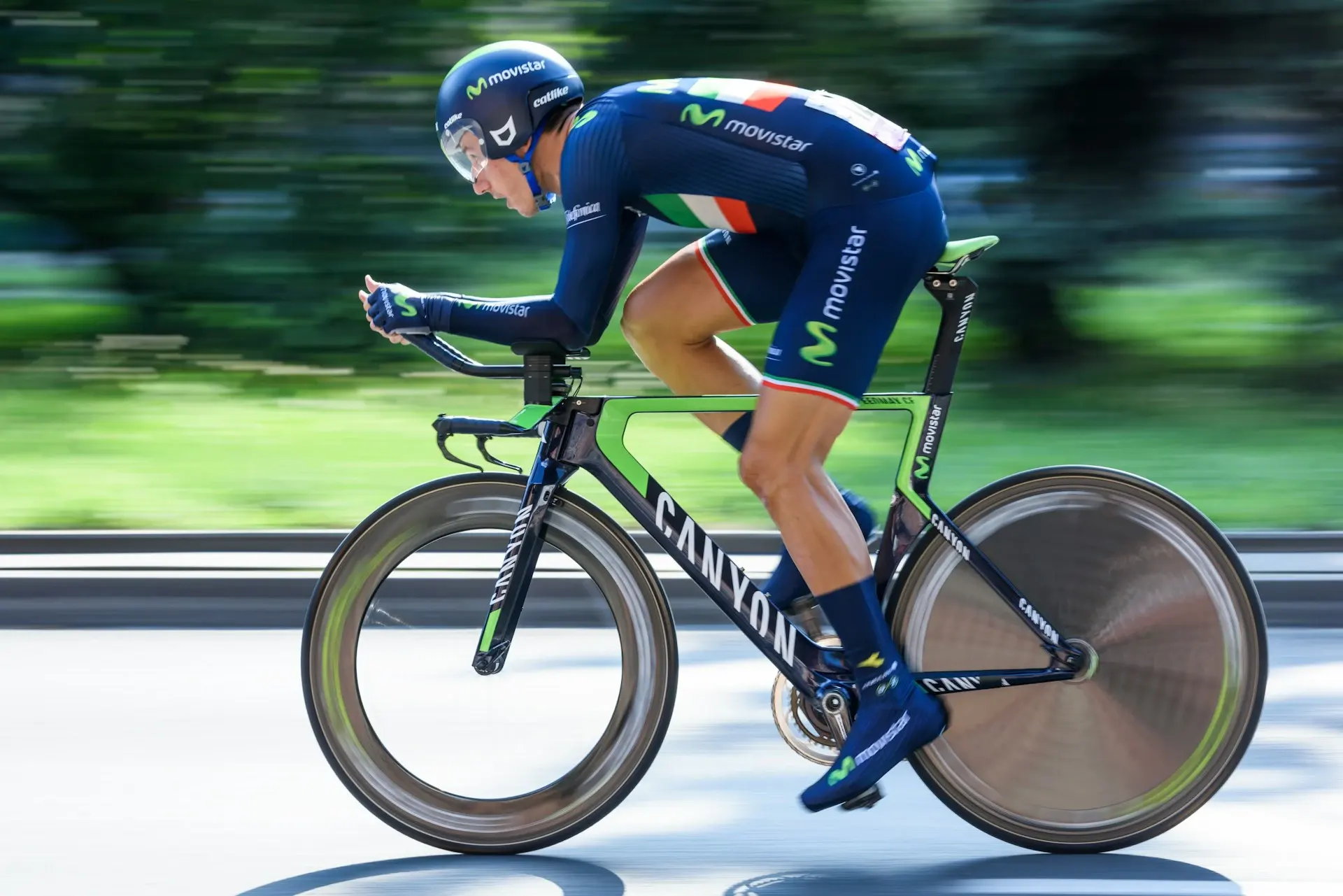
The pursuit of cycling excellence revolves around two interconnected qualities that together determine performance capacity more than any other factors, speed representing how fast an athlete can move their bicycle and endurance representing how long they can sustain that speed before fatigue forces reduction. These two attributes exist in a symbiotic relationship that challenges cyclists to develop both simultaneously, as pure speed without the endurance to sustain it proves useless beyond the shortest efforts while endurance without underlying speed capacity leaves athletes capable of riding for hours but never fast enough to compete or achieve personal goals. The physiological systems underlying speed and endurance overlap considerably, with improvements in one often supporting development in the other when training is properly structured. The oxidative capacity of muscle fibers, which determines how effectively they use oxygen to produce energy, supports both sustained endurance efforts and the recovery between high-intensity bursts that characterize much of cycling. The neuromuscular coordination that produces smooth, powerful pedal strokes enhances both the peak power of sprinting and the efficiency that conserves energy over long distances. Understanding this relationship allows cyclists to move beyond the false choice between speed work and endurance training, instead embracing integrated approaches that develop both qualities simultaneously while respecting the specific demands of their cycling goals. Whether preparing for weekend group rides, century events, competitive racing, or personal challenges, the principles for developing speed and endurance follow similar patterns adapted to individual starting points and aspirations.
The Physiological Foundations of Cycling Performance
Before exploring specific training methods, cyclists benefit from understanding the physiological systems that determine their capacity for speed and endurance, knowledge that transforms training from blind effort into targeted development. The cardiovascular system, comprising the heart, blood vessels, and blood itself, delivers oxygen and nutrients to working muscles while removing the metabolic waste products that contribute to fatigue during sustained efforts. A stronger heart pumps more blood with each beat, a more extensive capillary network delivers this blood to muscle fibers, and increased red blood cell mass carries more oxygen per unit of blood, all adaptations that training can enhance over time. The muscular system determines how effectively this delivered oxygen is used, with mitochondria acting as cellular power plants that convert fuel and oxygen into the energy that powers muscle contraction. Endurance training increases both the number and efficiency of these mitochondria, enabling muscles to produce more energy from the same oxygen supply. The neuromuscular system controls the recruitment of muscle fibers, determining how smoothly and powerfully force is applied to the pedals throughout each revolution. Efficiency in this system reduces the energy cost of any given speed, effectively increasing endurance without any change in cardiovascular or muscular capacity. The body’s fuel systems, including stored glycogen in muscles and liver along with fat stores that provide energy for prolonged efforts, determine how long athletes can sustain intensity before hitting the wall that signals fuel depletion. Understanding these systems enables cyclists to target specific adaptations through structured training, ensuring that limited time and energy produce maximum results.
Building the Aerobic Foundation
The construction of cycling performance logically begins with the aerobic base, the physiological foundation upon which all higher-intensity work depends for its effectiveness and sustainability. Aerobic training at intensities that feel comfortably hard but allow conversation develops the cardiovascular and muscular adaptations that support everything else, increasing the heart’s stroke volume, expanding the capillary network delivering blood to muscles, and stimulating mitochondrial growth throughout the working musculature. The duration of these foundation-building rides matters more than intensity during this phase, with extended time in the saddle producing adaptations that shorter, harder rides cannot replicate regardless of how much they hurt. Long slow distance rides of three to six hours, depending on an athlete’s goals and current fitness, create the structural changes in muscles and metabolism that enable subsequent training to produce maximum benefit. The frequency of aerobic training during base periods typically involves three to five rides per week, with total weekly volume increasing gradually to allow the body’s connective tissues and nervous system to adapt alongside the cardiovascular system. Perceived exertion during these foundation rides should remain in the range where conversation is possible, typically corresponding to heart rates between sixty and seventy-five percent of maximum depending on individual physiology. The patience required during this phase challenges many cyclists who prefer the immediate feedback of hard efforts, but those who rush through or skip base building find their performance ceiling permanently limited regardless of how much high-intensity work they subsequently complete.
Developing Sustainable Power Through Tempo Training
Building upon the aerobic foundation, tempo training occupies the crucial middle ground between endurance pace and threshold efforts, developing sustainable power that directly translates to faster average speeds over long distances. Tempo efforts typically fall at an intensity where conversation becomes difficult but not impossible, corresponding to approximately seventy-five to eighty-five percent of threshold power or heart rate, a level that feels challenging but sustainable for extended periods. The physiological adaptations from tempo training include further mitochondrial development, improved glycogen storage capacity, and enhanced ability to clear and buffer the metabolic byproducts that contribute to fatigue during harder efforts. Structured tempo sessions might include continuous blocks of thirty to ninety minutes at this intensity within longer endurance rides, or dedicated tempo rides where the entire workout maintains this challenging but sustainable pace. The mental benefits of tempo training prove as valuable as the physiological adaptations, as cyclists learn to sustain discomfort without the frequent intensity changes that characterize harder interval sessions. Many cyclists make the mistake of riding either too easy during base training or too hard during tempo efforts, falling into the middle ground that produces neither the endurance adaptations of long slow distance nor the power improvements of threshold work. Careful attention to pacing during tempo sessions, ideally guided by power meter data or heart rate monitoring, ensures that intensity remains in the productive range rather than drifting into the harder efforts that would compromise the ability to complete planned duration.
Threshold Training for Maximum Sustainable Speed
The concept of functional threshold power, defined as the highest power a cyclist can sustain for approximately one hour, represents perhaps the single most important performance metric for determining cycling speed over extended distances. Training at or near this threshold intensity produces adaptations that directly increase sustainable speed, raising the power output athletes can maintain for time trial efforts, long climbs, and extended pulls at the front of group rides. Threshold intervals typically range from eight to twenty minutes at intensities between ninety and one hundred five percent of current threshold power, with recovery periods equal to or slightly less than the work intervals allowing for sufficient work quality across multiple repetitions. The physiological adaptations from threshold training include improved lactate clearance, increased expression of enzymes involved in aerobic energy production, and enhanced ability to sustain high power outputs without the rapid accumulation of fatigue that limits shorter, harder efforts. Structured progression in threshold training might begin with shorter intervals like three to four repetitions of eight minutes, progressing to longer efforts like two to three repetitions of twenty minutes as fitness improves and the body adapts to the demands of sustained high-intensity work. The frequency of threshold sessions requires careful management, as this intensity produces significant fatigue that accumulates if sessions occur too frequently without adequate recovery between them. Most cyclists benefit from one to two threshold sessions per week during focused training blocks, with easier endurance riding filling the remaining days to maintain volume while allowing recovery from the demanding interval work.
Vo2 Max Intervals for Peak Power Development
Moving beyond threshold efforts, Vo2 max intervals target the highest rate of oxygen consumption an athlete can achieve, developing the capacity for sustained high-intensity efforts that characterize racing, steep climbs, and bridging gaps to breakaways. These intervals push the cardiovascular system to its maximum, stimulating adaptations in the heart’s maximum output, the muscles’ oxygen extraction capacity, and the body’s tolerance for the extreme discomfort accompanying maximal aerobic efforts. Typical Vo2 max intervals last three to eight minutes at intensities between one hundred five and one hundred twenty percent of threshold power, with recovery periods equal to or longer than work intervals to allow sufficient restoration for maintaining quality across repetitions. The sensation during these efforts differs qualitatively from threshold work, with breathing becoming deep and labored, muscles burning from the accumulation of metabolic byproducts, and the mind struggling to maintain focus and effort through the duration of each interval. Structured Vo2 max blocks typically last three to six weeks within a larger training plan, as the extreme demands of this intensity require careful integration with overall training load to avoid excessive fatigue or injury risk. The number of repetitions in a Vo2 max session depends on interval duration, with three to four eight-minute efforts representing a substantial training stimulus while five to six four-minute efforts might be appropriate for athletes with less experience at this intensity. The benefits of Vo2 max training extend beyond the immediate power improvements, enhancing the body’s ability to recover from hard efforts and supporting the neuromuscular coordination that contributes to efficient high-power pedaling.
Neuromuscular and Sprint Training for Explosive Power
While endurance and threshold capacities determine performance over long distances, neuromuscular and sprint training develops the explosive power that proves decisive in race finishes, short steep climbs, and the surge efforts required to respond to attacks and changes of pace. These maximal efforts lasting from a few seconds to one minute recruit the highest-threshold muscle fibers that remain relatively dormant during endurance riding, developing their capacity for force production and their coordination with the nervous system controlling muscle activation. Sprint training might include standing starts from low speeds, maximal efforts up short hills, or high-cadence accelerations on flat terrain, each stressing different aspects of the neuromuscular system responsible for explosive power production. The physiological adaptations from this training occur primarily in the nervous system and the fast-twitch muscle fibers, with improved motor unit recruitment, increased rate of force development, and enhanced coordination of the complex muscle groups involved in producing pedal power. The timing of neuromuscular work within training sessions and weekly schedules matters significantly, as these efforts require fresh legs and a rested nervous system to produce maximum benefit without injury risk. Performing sprint efforts early in rides after thorough warm-up but before significant fatigue has accumulated ensures both quality of work and safety of execution. The integration of neuromuscular training with endurance development requires thoughtful periodization, as the physiological demands of these two training modes differ significantly and simultaneous emphasis on both can produce conflicting adaptations and excessive fatigue.
The Critical Role of Recovery in Performance Development
The understanding that training stimulates adaptation but recovery produces it represents one of the most important concepts cyclists must embrace to improve speed and endurance sustainably over time. Every hard training session creates microscopic damage to muscle fibers, depletes energy stores, and stresses the nervous system, with improvements in performance occurring only when the body repairs this damage and adapts to better handle similar stress in the future. The quality of recovery between sessions directly determines the effectiveness of training, as insufficient recovery leaves athletes accumulating fatigue without the adaptation that produces meaningful performance improvement. Sleep stands as the most powerful recovery tool available, with growth hormone release, tissue repair, and neural restoration all occurring primarily during deep sleep stages that athletes shortchange at their performance peril. Nutritional strategies supporting recovery include consuming protein and carbohydrates within the post-training window when muscles are most receptive to nutrient uptake, maintaining hydration throughout the day, and ensuring adequate total energy intake to support the demands of training and daily life. Active recovery in the form of easy spinning on rest days promotes blood flow and nutrient delivery to recovering tissues without imposing additional stress that would delay adaptation. The concept of periodization extends recovery beyond individual sessions to include recovery weeks within training cycles, where volume and intensity deliberately decrease to allow full restoration before the next training block begins.
Nutrition Strategies for Enhanced Cycling Performance
The foods cyclists consume before, during, and after riding directly determine their ability to train effectively, recover completely, and perform optimally when it matters most. Pre-ride nutrition should emphasize easily digestible carbohydrates that top off glycogen stores without causing gastrointestinal distress during exercise, with the timing and composition of pre-ride meals depending on ride duration, intensity, and individual tolerance. During-ride nutrition becomes increasingly important as ride duration extends beyond ninety minutes, with carbohydrate intake of sixty to ninety grams per hour supporting blood sugar levels and sparing muscle glycogen for later in the ride when it becomes most needed. The form of during-ride carbohydrates, whether from drinks, gels, chews, or real food, matters less than consistent intake that matches the body’s absorption capacity and individual tolerance developed through practice. Post-ride nutrition within the thirty to sixty minute window following training optimizes glycogen resynthesis and muscle repair, with a combination of protein and carbohydrates providing the building blocks and hormonal signal for recovery processes. Hydration throughout training and daily life affects every aspect of performance, with even modest dehydration impairing cardiovascular function, temperature regulation, and mental focus during riding. The individualization of nutrition strategies through experimentation during training, rather than adoption of generic recommendations, enables cyclists to discover what works for their unique digestive system, training demands, and performance goals.
Strength Training for Cyclists
The addition of off-bike strength training to a cyclist’s program produces performance benefits that riding alone cannot achieve, developing the muscular capacity for force production that directly translates to increased power on the bike. Heavy strength training with compound exercises like squats, deadlifts, and lunges increases the maximum force muscles can produce, raising the ceiling for sprint power and improving the economy of submaximal efforts. The neurological adaptations from strength training, including improved motor unit recruitment and coordination, enhance pedaling efficiency and reduce the energy cost of any given power output. Core strength and stability training supports the cyclist’s position on the bike, reducing energy wasted on maintaining posture and preventing the back pain and discomfort that limit training volume and quality. The timing of strength training relative to cycling sessions requires careful management, with heavy leg work ideally placed after easier cycling days or with sufficient recovery before quality bike sessions to avoid residual fatigue compromising workout quality. The periodization of strength training across the cycling year typically involves heavier, lower repetition work in the off-season and early base period, transitioning to lighter, more explosive work as competition approaches and cycling-specific fitness becomes the priority. The misconception that strength training will make cyclists bulky and slow prevents many from accessing its benefits, though appropriate programming for cycling actually develops functional strength without significant muscle mass gain in most athletes.
Technology and Data for Performance Improvement
The modern cyclist has access to an unprecedented array of technology that provides objective data about performance, enabling training decisions based on evidence rather than feeling or guesswork. Power meters represent perhaps the most valuable training tool, measuring exactly how much work a cyclist is producing in real-time and providing historical data that reveals true changes in fitness independent of variables like weather, terrain, or motivation. Heart rate monitors offer insight into the body’s physiological response to training, revealing when fatigue is affecting cardiovascular function and helping to ensure that easy days remain truly easy while hard days achieve intended intensity. Cycling computers display this data in real-time, allowing athletes to hit targeted power zones during interval sessions and monitor their effort during endurance riding. Training software and applications aggregate data across sessions, calculating metrics like Training Stress Score, Chronic Training Load, and Acute Training Load that quantify the body’s accumulated fatigue and readiness for hard efforts. The power-duration curve, generated automatically by many training platforms, reveals an athlete’s current fitness across different effort durations, showing where strengths and weaknesses lie and tracking progress as training develops specific capacities. The risk with all this data lies in becoming overly focused on numbers at the expense of subjective experience, leading athletes to ignore how they feel in favor of what their devices report, potentially missing early warning signs of fatigue or illness.
The Mental Aspects of Speed and Endurance Development
The psychological demands of improving cycling performance equal or exceed the physical challenges, requiring mental skills that determine whether athletes persist through discomfort and maintain consistency through the ups and downs of long-term development. The ability to tolerate discomfort during hard efforts, whether sustained threshold work or explosive Vo2 max intervals, separates those who improve from those who plateau, as the necessary adaptations occur only when training pushes beyond comfortable intensities. Goal setting provides direction and motivation for the long hours of training required to develop speed and endurance, with well-constructed goals that are specific, measurable, achievable, relevant, and time-bound guiding daily decisions about training focus and effort. The mental skill of reframing discomfort as a positive signal of adaptation rather than a negative experience to be avoided transforms the experience of hard training, making challenging sessions more bearable and even satisfying. Visualization and mental rehearsal prepare cyclists for the demands of competition, allowing them to practice responding to attacks, maintaining focus through suffering, and executing race strategies before ever rolling to the start line. The social aspects of cycling training, including group rides, club participation, and training partners, provide accountability, motivation, and enjoyment that sustain commitment through periods when individual motivation flags. Developing these mental skills alongside physical capacities ensures that cyclists can access their full fitness when it matters most, rather than leaving performance on the training road due to psychological limitations.
Hill Climbing for Dual Development
The unique demands of climbing hills develop both speed and endurance simultaneously, making hill work an exceptionally efficient training method for cyclists seeking comprehensive improvement. The increased resistance of climbing forces higher power outputs at lower speeds, recruiting muscle fibers and stressing the cardiovascular system in ways that flat riding at equivalent perceived effort cannot match. The variable nature of most climbs, with changing gradients requiring constant power adjustment, develops the ability to surge and recover that translates directly to racing and group riding on any terrain. The psychological demands of sustained climbing, where the top remains invisible and discomfort accumulates continuously, build mental toughness that serves cyclists in all aspects of their riding. Technique on climbs, including seated climbing for endurance and standing for power surges, involves specific skills that require practice to develop and that affect both speed and efficiency on hills. The recovery between climbs during hilly rides provides active rest that develops the ability to sustain repeated hard efforts, directly translating to the demands of competitive cycling. Structured hill workouts might include long sustained climbs at threshold intensity, shorter repeated climbs for Vo2 max development, or over-gear work where low cadence climbing builds muscular strength that transfers to improved power on all terrain.
Group Riding and Drafting Benefits
The aerodynamic savings available through drafting behind other riders represent one of the largest performance enhancements available to cyclists, reducing the power required to maintain any given speed by twenty to thirty percent in optimal conditions. Learning to ride smoothly in close proximity to others, holding a wheel without erratic braking or acceleration, enables cyclists to access these savings while keeping themselves and their companions safe. The skills of group riding extend beyond simply following, including communication about hazards, smooth pedaling through corners, and the ability to take effective pulls at the front that benefit the entire group without blowing up individually. The intensity variations inherent in group riding, with efforts surging at the front and recovering in the draft, develop the ability to repeatedly produce high power outputs that translates directly to racing and fast recreational riding. Group situations also provide motivation and accountability that solo training cannot match, pushing cyclists to work harder than they would alone while making the time pass more pleasantly through social interaction. Learning to read a group, anticipating surges and accelerations before they happen, develops tactical awareness that serves cyclists in competitive situations and makes group riding safer and more enjoyable. The transition from riding exclusively solo to comfortable group participation represents a significant milestone in many cyclists’ development, opening new possibilities for speed, endurance, and enjoyment of the sport.
Monitoring Progress and Adjusting Training
The systematic tracking of performance through regular testing enables cyclists to evaluate whether their training is producing desired results and make adjustments when progress stalls or deviations from plan occur. Regular field tests of time trial performance over a consistent course, maximal power outputs over standard durations, or heart rate responses to standardized efforts provide objective data about changing fitness. The frequency of formal testing requires balance, with too-frequent testing wasting training time and potentially discouraging athletes during normal performance fluctuations, while too-infrequent testing allows problems to persist undetected for extended periods. Subjective feedback including how rides feel, motivation levels, sleep quality, and general energy provides context that pure performance numbers cannot capture, often revealing developing problems before they affect test results. Comparing current performance to historical data reveals trends that single test points cannot show, with three to six months of consistent data providing the best picture of whether an athlete is genuinely improving or simply experiencing normal day-to-day variation. Adjusting training based on this monitoring might involve increasing volume when progress exceeds expectations, adding recovery when fatigue accumulates faster than fitness, or changing workout composition when specific capacities fail to develop as planned. The most successful cyclists approach their training as an ongoing experiment, constantly gathering data, forming hypotheses about what works, testing those hypotheses through structured training, and refining their approach based on results.
Common Mistakes Limiting Speed and Endurance Development
Understanding what not to do in training often proves as valuable as knowing correct approaches, as common errors systematically limit progress despite significant time and effort invested in riding. The tendency to ride at moderate intensity most of the time, never truly easy enough for recovery nor truly hard enough for adaptation, produces the frustrating experience of high training volume without corresponding performance improvement. Inconsistent training, with periods of high intensity followed by breaks due to burnout or injury, prevents the cumulative adaptation that comes from sustained progressive overload over months and years. Neglecting recovery as a deliberate training component rather than an unfortunate necessity leads to accumulating fatigue that eventually forces unscheduled rest and disrupts the careful progression of planned training. Focusing exclusively on either speed or endurance rather than developing both qualities in appropriate balance produces athletes who are fast but cannot sustain it or endlessly durable but never fast enough to achieve their goals. Ignoring nutrition and hydration as performance factors leaves cyclists unable to train effectively or recover completely regardless of how intelligently they structure their riding.