
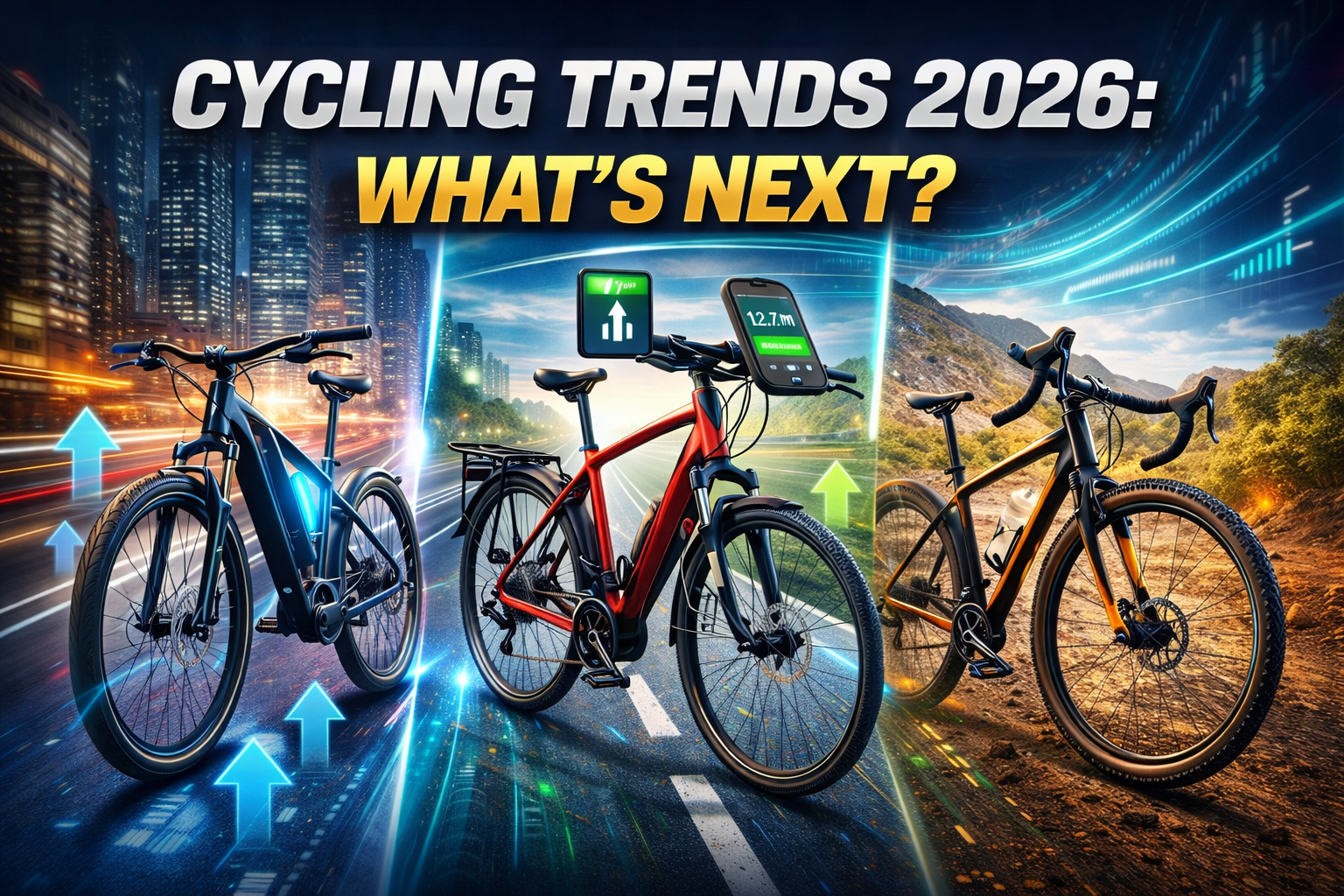
Cycling is more than a sport or hobby. It is a lifestyle, a culture, and a rapidly evolving industry driven by technology, design innovation, sustainability, and community engagement. Whether you are a weekend rider, an avid commuter, a competitive athlete, or a bike lover simply exploring the world on two wheels, staying updated with cycling news and trends helps you make informed decisions, enjoy new experiences, and connect with the global bike community.
At yourbikereview.com we cover the most relevant stories, product advancements, global shifts, and cultural movements that matter to riders everywhere. This comprehensive guide dives deep into the latest developments in the cycling world — including innovations in bike technology, changes in infrastructure, industry growth patterns, health and fitness trends, and emerging cultural influences. By understanding these trends, you not only stay informed but also ride smarter, safer, and with greater purpose.
How Cycling Has Evolved Over Time
Cycling began as a means of transportation and evolved into a popular sport and lifestyle choice embraced around the world. From the earliest iron-framed bicycles to today’s high performance carbon fiber machines, cycling technology has continually improved comfort, speed, safety, and accessibility.
Today, cycling stands at a unique intersection of technology, sustainability, and wellness. People cycle not only for recreation but also for commuting, environmental consciousness, social connection, and personal health improvement. This evolution sets the stage for rapid innovation and cultural transformation.
The Rise of Electric Bikes
One of the most impactful trends in recent years is the widespread popularity of electric bikes. Also known as e bikes, these bikes incorporate electric motors to assist pedaling, making riding more accessible to a broader range of riders.
Electric bikes are not just a trend. They are reshaping the way people think about cycling, commuting, and active transportation. They make long distances less daunting, hills easier to climb, and daily commuting more practical. In many cities around the world, e bikes are replacing traditional cars for short to mid distance travel, reducing traffic congestion, and lowering carbon emissions.
The variety of e bikes continues to expand — from sleek commuter models to rugged electric mountain bikes designed for trail riding. Battery technology is improving, range is increasing, and motor systems are becoming more efficient and responsive. For riders, this means more choice and greater riding freedom.
Sustainability and the Greener Future of Cycling
Environmental sustainability is a growing priority worldwide, and cycling plays a crucial role in this movement. Bikes are one of the most eco friendly modes of transportation. They are human powered, energy efficient, and produce zero emissions. As cities grapple with traffic congestion, pollution, and climate challenges, cycling is increasingly recognized as a solution that benefits both individuals and communities.
Urban planners and policymakers around the world are investing in cycling infrastructure, including protected bike lanes, bike share programs, and traffic calming measures that prioritize cyclists. These changes encourage more people to choose bikes for daily travel and contribute to healthier, greener cities.
Manufacturers too are responding to consumer demand for sustainability with eco conscious materials, recyclable components, and production processes that minimize environmental impact. As sustainability becomes deeply embedded in product design and consumer values, cycling is positioned as a catalyst for positive environmental change.
Advances in Bike Technology
Cycling technology is evolving rapidly. Bikes are lighter, stronger, and more efficient than ever before. New materials, integrated electronics, and smarter design have transformed everything from frame construction to cockpit control.
Carbon fiber remains a popular material for high performance bikes because of its strength to weight ratio and customizable ride characteristics. Titanium and advanced aluminum alloys continue to be used in durable and comfortable frames with unique ride qualities.
Another major technological trend is the integration of digital tools. Smart bike computers, GPS systems, power meters, and performance tracking devices allow riders to monitor progress, set goals, analyze data, and train more efficiently. Connected cycling apps enable riders to plan routes, track rides, participate in virtual competitions, and share experiences with others around the world.
Wireless electronic shifting systems are another innovation changing competitive and recreational cycling. These systems provide precise gear changes with minimal maintenance and improved reliability.
Tubeless tire systems have also gained popularity due to their ability to reduce flats and deliver smoother ride quality. Combined with modern sealant technology, tubeless setups provide confidence on varied terrain.
All of these advancements reflect a broader trend: cycling is becoming more customized, data driven, and performance oriented.
Health and Wellness Trends in Cycling
More riders are discovering the physical and mental health benefits of cycling. Research consistently shows that cycling improves cardiovascular fitness, strengthens muscles, supports mental well being, reduces stress, and boosts overall quality of life.
Cycling is a low impact activity that can be enjoyed by people of all ages and ability levels. Unlike higher impact sports that place stress on joints, cycling allows for long duration exercise with minimal risk of injury. This makes it particularly appealing for riders seeking sustainable long term fitness habits.
Health and wellness trends in cycling also include community driven initiatives such as group rides, charity events, and social cycling clubs. These events provide opportunities to connect with others, explore new routes, and make cycling a social experience rather than a solitary task.
Trends in Urban Cycling and Commuting
As cities become more congested and parking becomes more expensive, many urban residents are turning to bikes as a practical and efficient way to move around. This shift is supported by improved cycling infrastructure, safety campaigns, and public awareness about the benefits of active transportation.
Cycling advocates around the world are pushing for policies that protect cyclists and prioritize non motorized transportation. Protected bike lanes, bike parking facilities, and traffic laws that safeguard riders are becoming more common in progressive cities.
Bike share programs also play a role in encouraging urban cycling. These programs make it easy for residents and visitors to access bikes without ownership, promoting spontaneous rides and reducing dependence on cars.
Trends in Competitive Cycling and Events
Competitive cycling continues to grow as a sport and cultural phenomenon. Events such as the Tour de France, Giro d’Italia, and World Championships draw global attention and inspire riders at every level.
Amateur racing and community events are also gaining popularity. Gran fondos, criteriums, and charity rides attract diverse riders who enjoy competition and camaraderie. These events provide motivation, structure, and goals for riders looking to test their abilities.
Virtual racing platforms have emerged as a trend unique to the digital age. These platforms allow riders to compete on virtual courses, participate in organized races from anywhere, and track performance against global peers. Connectivity and accessibility have expanded the reach of competitive cycling beyond traditional physical events.
The Impact of Fitness Tracking and Data Analytics
Strava, Garmin, Wahoo, and other tracking apps and devices have transformed how cyclists approach fitness and performance. Data analytics provide insights into power output, cadence, heart rate, climbing performance, and other metrics that support targeted training.
Fitness tracking also adds a social component to riding. Riders can share achievements, compare segments, and join community challenges. This gamification of cycling motivates riders to set goals, try new routes, and engage with others.
Data based training plans, personalized coaching apps, and smart performance tools are making high level training accessible to riders at all levels.
The Influence of Social Media on Cycling Culture
Social media plays a significant role in shaping cycling trends. Platforms such as Instagram, YouTube, and TikTok showcase inspiring riders, creative bike setups, scenic routes, and viral riding tips.
Cycling content creators inspire others to explore new experiences, challenge limits, and discover diverse cycling cultures around the world. Influencers often review new gear, share tutorials, and provide real world perspectives that resonate with riders.
Social media also helps build community. Riders share stories, connect for group rides, and support each other’s progress. This digital connection complements physical rides and strengthens cycling culture globally.
Women in Cycling: A Growing Movement
Women’s participation in cycling has grown significantly in recent years. More women are entering competitive cycling, leading group rides, and advocating for safer infrastructure.
Brands and community groups are increasingly offering women specific products, training programs, and inclusive events. Representation matters, and as more women share their cycling journeys, the community becomes richer and more diverse.
This trend supports the idea that cycling is for everyone regardless of age, experience, or background.
Adaptive Cycling and Accessibility
Adaptive cycling refers to bikes and equipment designed for riders with physical challenges. Recumbent bikes, hand cycles, tandem bikes, and other specialized designs make biking accessible to more people.
Advances in adaptive cycling technology expand opportunities for riders with mobility limitations, encouraging inclusivity and celebrating the joy of riding for everyone.
Innovation in Cycling Apparel and Comfort Gear
Cycling apparel has evolved from basic jerseys and shorts to highly engineered gear designed for comfort, performance, and protection. Moisture wicking fabrics, ergonomic designs, and intelligent layering systems improve ride quality.
Sunglasses, padded gloves, and temperature regulated gear help riders adapt to changing weather and terrain conditions.
Footwear technology has also advanced. Cycling shoes now offer stiff soles for efficient power transfer and ergonomic designs that reduce fatigue.
All of these innovations reflect a broader trend toward comfort without compromising performance.
Sustainability in Cycling Manufacturing
Beyond riding, sustainability has become an important trend in production and manufacturing. Brands are exploring recycled materials, eco friendly paints, energy efficient production methods, and packaging reductions.
This focus on sustainability aligns with cycling culture itself — a lifestyle connected to health, environment, and quality of life. Consumers increasingly prefer brands that share values of social responsibility and environmental stewardship.
The Future of Cycling
The future of cycling is exciting and expansive. Electric bikes will continue to push boundaries, new materials will make bikes lighter and stronger, and digital connectivity will deepen engagement through data and community interaction.
Cities will continue to adapt infrastructure, making cycling safer and more accessible. Cycling culture will become more diverse, inclusive, and connected. Innovation will go beyond performance, emphasizing comfort, sustainability, and accessibility for all riders.
Cycling will continue to bridge gaps between commuting, fitness, adventure, competition, and self expression.
Final Thoughts
Keeping up with cycling news and trends helps riders stay informed, inspired, and connected. Trends reflect the evolving needs of the cycling community — from performance focused athletes to everyday commuters, from tech driven riders to advocates of sustainability.
At yourbikereview.com, our goal is to bring you relevant news, honest insights, and meaningful perspectives that help you make better choices, ride with confidence, and join the ever growing community of cyclists around the world.
Whether you ride for health, adventure, commuting, or competition, staying updated on cycling trends empowers you to embrace the full potential of your ride.
Thank you for being part of the cycling community, and stay tuned for more updates, expert reviews, and in depth guides that keep your passion for riding alive and strong.