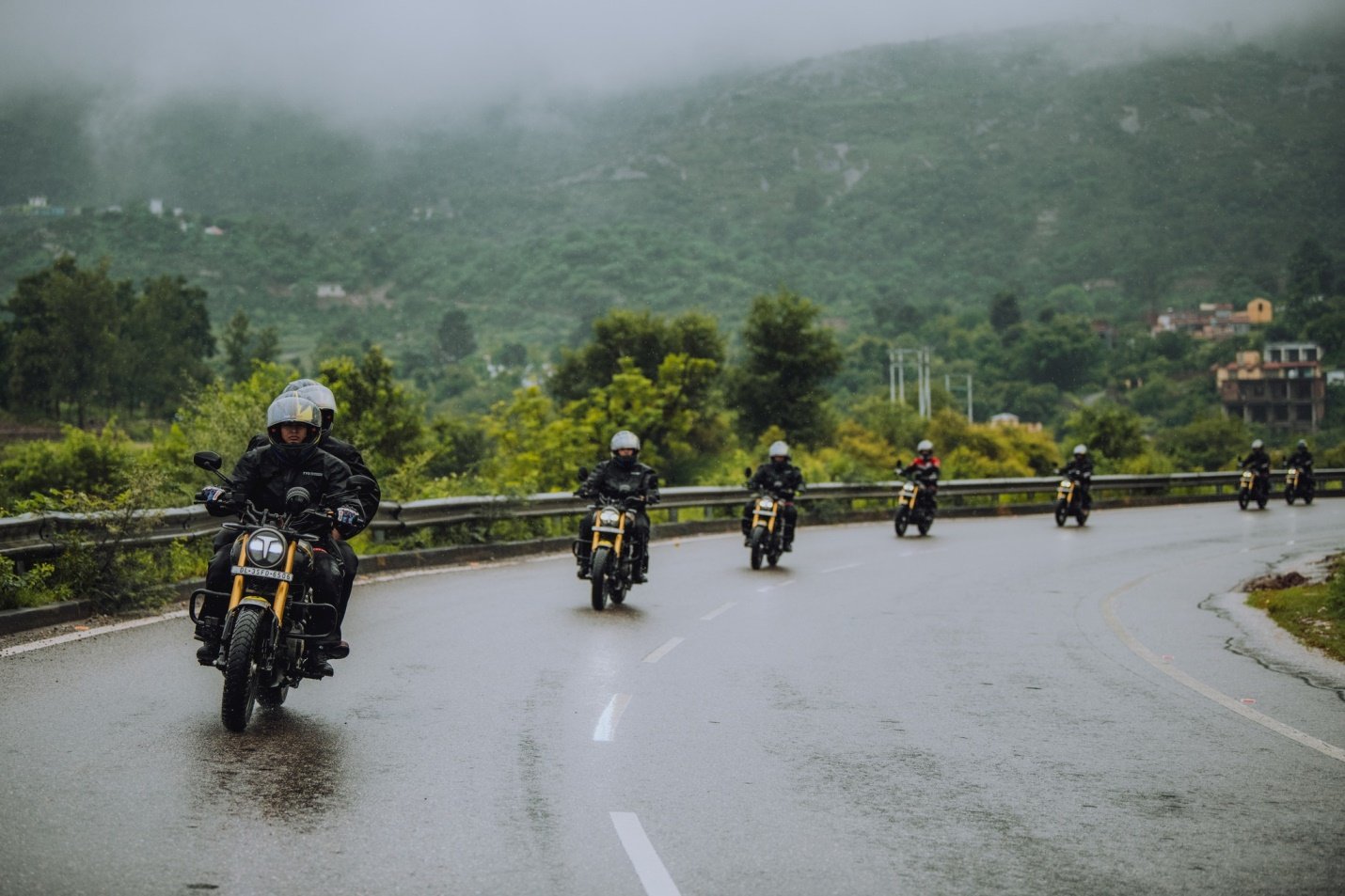
There’s something that happens the moment you merge onto an open highway and the city noise fades in your rearview mirror. The engine settles into a steady hum, the lane markers blur into a rhythm, and for the first time in what feels like weeks, your shoulders drop away from your ears. That feeling that particular mix of freedom, anticipation, and quiet is why touring riders and road trip enthusiasts keep coming back, mile after mile, year after year.
But here’s the thing nobody tells you upfront: not all highways are created equal, and not all touring setups will serve you the same way. Whether you’re planning a cross-country motorcycle ride, a long-haul road trip in a loaded SUV, or your first real highway adventure, what you choose in terms of route, vehicle, gear, and mindset makes all the difference between an experience you’ll talk about for years and one you’d rather forget.
I’ve spent the better part of the last decade logging highway miles across India, the US, and parts of Europe. I’ve ridden on golden mornings through mountain passes and slogged through interstate construction on scorching summer afternoons. I’ve made great choices and terrible ones. And through all of it, I’ve learned what actually matters when you’re out there what the reviews should really be telling you but often don’t.
So this is that review. The honest, road-tested, no-fluff breakdown of highway touring: the bikes and cars worth considering, the routes worth riding, the gear that earns its keep, and the mindset you need to actually enjoy it all.
What “Touring” Actually Means (And Why It Matters)
Let’s start with the basics, because the word “touring” gets thrown around loosely. In the broadest sense, touring means traveling long distances usually over multiple days with an emphasis on the journey itself rather than just the destination.
Touring is different from commuting. It’s different from a weekend joyride. And it’s very different from track riding or off-roading. When you’re touring, you’re spending hours at a stretch in motion. That changes everything about what you need. Comfort becomes non-negotiable. Reliability matters more than outright performance. Storage becomes a genuine concern. And the way a vehicle handles at sustained highway speeds matters far more than how it feels in stop-and-go traffic.
For motorcyclists, touring typically means either a dedicated touring bike (think Honda Gold Wing, BMW R 1250 RT, or Harley-Davidson Road Glide) or an adventure bike modified for long-haul riding. For car enthusiasts, it means picking a vehicle that can swallow luggage without complaint, seat passengers comfortably for eight hours straight, and cruise at highway speeds without feeling like it’s working hard.
Getting this foundation right is everything. Once you know what you’re doing and why, every other decision gets easier.
Highway Performance: What You’re Actually Evaluating
When people write highway reviews, they tend to focus on numbers — top speed, horsepower, fuel economy. Those things matter, but they don’t tell the full story. Here’s what I actually look for when I’m evaluating a vehicle for highway touring.
Wind Protection
This one surprises people who haven’t done serious highway miles. Wind fatigue is real, and it’s brutal. After three hours at 100 km/h on a naked bike with no fairing, your neck and shoulders will feel like you’ve been wrestling. On a car, wind noise at high speeds can make conversations exhausting and leave you drained by the time you arrive.
Good wind protection whether it’s a well-designed fairing on a motorcycle or smart aerodynamics in a car is worth its weight in gold on a long tour. It’s not about comfort in the pampered sense. It’s about arriving at your stop with energy left to actually enjoy the place.
Engine Character at Cruise
There’s a difference between an engine that’s happy cruising at 120 km/h and one that’s merely capable of it. On a motorcycle, an engine running near its rev limit at highway speeds will vibrate, run hot, and wear you out. A torquey motor that’s barely working at cruise sitting comfortably in its powerband is infinitely more pleasurable.
The same logic applies to cars. A naturally aspirated four-cylinder pulling hard at 3,000 RPM on the highway creates a very different atmosphere than a turbocharged engine loafing along at the same speed. For touring, you want an engine that feels relaxed, not strained.
Suspension Comfort Over Long Distances
Here’s another truth that takes miles to learn: a vehicle that feels sporty and responsive on short drives can become punishing over eight hours on the highway. Stiff suspension setups that feel planted and precise in corners turn into jackhammers on long stretches of imperfect tarmac.
Touring-focused vehicles prioritize a smoother, more compliant ride — not mushy or vague, but forgiving. The BMW R 1250 GS’s semi-active suspension, for instance, isn’t just a gimmick. On a long day’s ride across varied terrain, it genuinely makes you less tired. Similarly, vehicles like the Volvo XC60 or Toyota Camry earn their touring reputations partly through suspension tuning that absorbs road irregularities without drama.
Fuel Range
Running out of fuel in the middle of nowhere is a rite of passage for exactly one tour. After that, range becomes something you actually plan around. For motorcycles, this means paying attention to tank size and real-world economy not the manufacturer’s claimed numbers. For cars, it means knowing roughly how far you can go between fills on a full tank at highway speeds, not city numbers.
On some of the more remote routes in India the Leh-Manali highway, parts of the Northeast, or the coastal roads through Odisha petrol stations can be few and far between. Knowing your range isn’t just convenient; it’s essential.
Motorcycle Touring: The Short List Worth Your Attention
If you’re approaching this from a motorcycle perspective, here’s an honest look at some of the most talked-about touring options across different price points.
Honda Gold Wing (GL1800)
The Gold Wing is the undisputed benchmark for motorcycle touring. It’s enormous, heavy, and loaded with technology and once you’ve ridden one on a long highway stretch, you understand completely why it has such a devoted following. The flat-six engine is whisper-smooth. The rider fatigue at the end of a long day is genuinely minimal. The integrated audio, navigation, heated seats, and storage are all executed at a level that makes the premium price feel almost justified.
The Gold Wing isn’t for everyone. It requires commitment both financial and physical, since the bike is heavy and demands respect in low-speed maneuvering. But on the highway, it’s simply outstanding.
Royal Enfield Himalayan / Super Meteor 650
For Indian riders specifically, these two represent very different points on the touring spectrum. The Himalayan is the adventure-touring choice a capable, go-anywhere machine that’s been proven over some of India’s toughest mountain roads. It’s not the fastest or most polished, but its reliability, accessibility, and community support make it a legitimate choice for long-distance riders on a budget.
The Super Meteor 650 is different it’s a cruiser with genuine highway ability. The parallel-twin engine is smooth enough at highway speeds, the ergonomics suit long rides, and it has a character that makes you want to keep going. For touring within India or Southeast Asia, both are worth serious consideration.
BMW R 1250 GS / GS Adventure
If you want one motorcycle to do everything adventure off-road capability, comfortable highway cruising, genuine long-distance touring the GS is as close to a universal answer as exists. It’s a premium product with a premium price, but the engineering quality is evident at every level. The TFT display, rider aids, optional heated grips and seats, and exceptional wind protection from the adjustable screen make long days genuinely manageable.
The GS Adventure’s larger tank is particularly worth noting for touring it pushes your range well past 400 km under most conditions, which takes a lot of fuel-stop anxiety off the table.
Harley-Davidson Road Glide
For long, straight highway stretches, few things match the sense of occasion of a big touring Harley. The bagger-style fairings cut wind beautifully, the 117 cubic inch Milwaukee-Eight engine delivers torque in quantities that make highway passing effortless, and the riding position is designed for all-day comfort. The infotainment system has genuinely improved in recent years it’s usable now in a way earlier versions simply weren’t.
The Road Glide isn’t a canyon carver or an off-road machine. It does one thing: eats long highway miles in style and comfort. On that narrow brief, it’s exceptional.
Car Touring: What the Highway Review Circuit Misses
Car-based highway touring doesn’t get the same romantic treatment as motorcycle touring, but it shouldn’t be underestimated. A well-chosen car for a long highway journey is a genuinely wonderful thing climate-controlled, loaded with your gear, streaming your playlist, covering ground efficiently.
Here are the factors that matter most in a touring car context:
The Seat Test
You can learn a lot about a car’s touring potential in the first hour of a long drive. If you’re shifting, fidgeting, or adjusting constantly in the first sixty minutes, that’s a bad sign for what hour six will feel like. Good touring seats in cars like the Volvo V90, Mercedes E-Class, or even the Honda Accord provide genuine lumbar support, appropriate cushion depth, and side bolstering that holds you in place without squeezing.
Cheap seats in budget cars will punish you on long trips. It’s one of the areas where spending more genuinely pays off.
Cruise Control Quality
Adaptive cruise control transformed highway touring for me more than almost any other technology. Being able to set a speed, maintain safe following distance, and remove the constant micro-adjustments of foot pressure from the equation reduces fatigue meaningfully over a full day. Modern systems particularly Volvo’s Pilot Assist, Honda Sensing, and Ford’s BlueCruise are mature enough that they genuinely help.
Standard cruise control is still useful, but adaptive is the real game-changer for highway touring.
Noise at Speed
Interior noise levels at highway speeds vary dramatically between vehicles, and this is something that reviews often understate. A car that feels perfectly normal in city traffic can become genuinely loud at 100-120 km/h due to wind noise, tire roar, or engine noise. Over a long day, this noise creates fatigue in a subtle, cumulative way.
Vehicles with good acoustic glass, well-sealed doors, and sound deadening — like the Kia Carnival, Toyota Camry, or BMW 5 Series — make a genuine difference in how you feel after a long day on the road.
Boot Space and Organization
For touring, it’s not just about total volume. Organization matters. Deep boots with no structure are annoying to load and reload. Adjustable dividers, multiple anchor points, and a flat load floor make a real difference in usability over a multi-day trip.
Routes Worth Reviewing: Where to Actually Go
The vehicle is only half the story. The route matters just as much. Here are some highway touring routes that hold up under real-world scrutiny.
Manali to Leh Highway, India
One of the great motorcycle touring routes in the world. It’s challenging altitude, road conditions, and weather demand respect and preparation but the reward is among the most dramatic landscapes you’ll experience on two wheels. This route has spawned a whole culture of Indian touring, and for good reason. If you’re in India and serious about motorcycle touring, this should be on your list.
NH 66 (formerly NH 17), Coastal India
Often overshadowed by mountain routes, the coastal highway running down the Western coast of India through Goa and Karnataka is exceptional. Sea views, good road surface through much of it, manageable weather, and excellent food stops make this a genuine gem. Less demanding than the mountain routes, it’s ideal for first-time tourers.
Pacific Coast Highway, California
If international routes are accessible to you, PCH between San Francisco and Los Angeles is a genuine classic for a reason. The roads are well-maintained, the scenery is world-class, and the infrastructure for tourists is excellent. Highway 1 through Big Sur in particular is the kind of road that stays with you.
Nurburgring to Black Forest, Germany
For the European car touring crowd, combining a visit to Germany’s legendary racing circuit with a drive through the Black Forest on the B500 road is as good as it gets. The B500 is a proper driver’s road that happens to be accessible to everyone — winding, beautiful, and connecting charming villages throughout.
Gear That Actually Earns Its Keep
A few words on gear, because the touring gear market is flooded with overpriced kit that looks great in reviews and underdelivers on the road.
For motorcycle tourers, a quality riding jacket with proper protection and ventilation is non-negotiable. Don’t cheap out here. The difference between a Rs 5,000 jacket and a Rs 20,000 jacket isn’t just looks it’s impact protection, weather resistance, and how your body feels after eight hours. Brands like Alpinestars, REV’IT, and Rynox (for Indian riders specifically) have genuinely good products that earn their price.
A quality helmet with good wind noise management is equally important. Road noise from a cheap helmet becomes maddening over long distances. Shoei, Arai, and Bell at the premium level or even Steelbird and Axor at the mid-range offer helmet designs specifically suited to touring with better noise management and ventilation.
For car tourers, a good quality cooler that plugs into your power outlet, a proper back-seat organizer, and a car-specific phone mount that’s stable at highway speeds are small investments that pay continuous dividends.
The Mindset of Highway Touring
Here’s the part that rarely makes it into gear reviews or route guides: the mindset.
Highway touring isn’t just about covering distance. The best tourers I’ve met understand that the journey is the point not proving something, not collecting stamps, not outpacing everyone else on the route. The riders and drivers who seem to enjoy it most are the ones who’ve learned to be genuinely present on the road.
They notice the light changing in the late afternoon. They stop for tea at a dhaba that looks right, not because it’s rated well. They give themselves time buffers so that an interesting detour doesn’t become a source of stress. They eat well, hydrate properly, and take breaks before they need them rather than after.
Pace yourself. Plan rest stops every two hours at minimum it’s not weakness, it’s smart. Eat light on the road; heavy meals make you drowsy. Stay hydrated, especially on hot days, even if it means more fuel stops for bathroom breaks. And build in at least one day in your itinerary with absolutely no driving. These small habits separate pleasant tours from punishing ones.
Final Verdict
Highway and touring riding and driving is one of the genuine pleasures available to anyone with a license and a few days of open schedule. The best vehicle for it is the one that fits your body, your budget, and the roads you’ll actually travel. The best route is the one that balances challenge with reward and suits your experience level. The best gear is the stuff that disappears that does its job without demanding your attention.
What ties it all together is intention. Going in knowing what you want from the experience whether that’s solitude, scenery, speed, or just the satisfaction of getting somewhere under your own power shapes every decision that follows, and it shapes how the journey feels when you’re in the middle of it.