
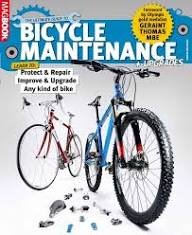
The Importance of Bicycle Maintenance
Regular care is essential to keep a bicycle safe, reliable, and enjoyable. A well-maintained bike not only performs better but also lasts longer and reduces the likelihood of breakdowns. Learning how to perform simple upkeep at home can save money, improve riding confidence, and enhance overall cycling performance.
Familiarizing Yourself with Your Bike
Understanding the different parts of a bicycle is the first step in proper maintenance. Key components include the frame, wheels, tires, brakes, gears, chain, pedals, and handlebars. Knowing how these elements work together helps you identify issues before they escalate and allows for smoother, safer rides.
Routine Checkups for Safety
Frequent inspections help prevent small problems from becoming major repairs. Examine tires for cuts, cracks, or worn tread, check that brakes engage correctly, and inspect chains and gears for rust or buildup. Make sure all bolts and screws are tight and handlebars and seat are secure. A short pre-ride check can save time and prevent accidents.
Cleaning Your Bicycle Properly
Dirt and grime reduce efficiency and can damage parts. Use a soft brush and mild soap to clean the frame, chain, gears, and brakes. Avoid harsh chemicals that could harm metal, rubber, or paint. Dry your bicycle thoroughly after washing and apply lubricant to moving components to ensure smooth operation.
Tire Care Essentials
Maintaining proper tire pressure is critical for comfort and safety. Check air pressure regularly and inflate to the recommended level. Inspect for wear, cracks, or embedded objects, and replace damaged tires promptly. Carrying a spare tube or patch kit is advisable, especially for long rides.
Keeping the Drivetrain in Top Shape
The chain, cassette, and derailleurs form the heart of your bike’s drivetrain. Clean chains and gears regularly, and lubricate to prevent rust and friction. Replace stretched chains promptly to avoid damaging other components. Smooth and efficient pedaling ensures better performance and reduces wear.
Brake Maintenance and Adjustments
Brakes are a vital safety feature. Check brake pads for wear and replace them if necessary. Ensure brake cables operate freely and are not frayed. Adjust tension so brakes engage effectively without excessive effort. For disc brakes, clean rotors and inspect for wear. Well-maintained brakes provide confidence in all riding conditions.
Optimizing Gears for Performance
Proper gear adjustment enhances ride efficiency. Make sure derailleurs shift smoothly and inspect cables for fraying or stiffness. Lubricate pivot points and adjust tension to prevent skipping. Reliable gears make pedaling easier and extend the life of drivetrain components.
Lubrication and Moving Parts
Regular lubrication prevents rust and keeps parts moving smoothly. Apply lubricant to the chain, derailleurs, brake pivots, and other moving components. Avoid over-lubricating as it can attract dirt and grime. Wipe off excess lubricant to maintain a clean, smooth-running bike.
Wheel and Spoke Care
Maintaining wheels ensures stability and a comfortable ride. Check that wheels are true and free of wobbles. Inspect spokes for tension and replace broken or loose ones. Ensure hub bearings rotate smoothly and lubricate when needed. Proper wheel maintenance prevents vibration, improves control, and prolongs component life.
Caring for Suspension Systems
If your bike has suspension, regular attention is necessary. Inspect forks and shocks for leaks or damage. Clean seals and stanchions, and apply manufacturer-approved lubricants. Adjust settings according to weight, terrain, and riding style. Proper suspension care enhances comfort and stability.
DIY Repairs You Can Handle
Learning basic repairs at home saves time and money. Tasks like fixing flat tires, adjusting brakes, replacing chains, and tightening bolts are manageable with a small toolkit. Tools such as tire levers, hex keys, screwdrivers, a pump, and a chain tool allow you to resolve most common issues.
Storing Your Bicycle Properly
Proper storage protects your bike from damage and corrosion. Store it indoors in a dry, shaded area away from sunlight and moisture. If storing for long periods, clean and lubricate the bike and consider using a cover to shield it from dust and weather exposure.
Professional Tune-Ups
Even with diligent home care, occasional professional maintenance is recommended. Mechanics can inspect bearings, true wheels, service brakes, and check the frame thoroughly. Combining professional servicing with home upkeep ensures optimal performance and reliability.
Pre-Ride Safety Checks
Before each ride, quickly verify that brakes work, gears shift smoothly, and tires are properly inflated. Check that quick-release levers are secure and listen for any unusual sounds. These quick checks prevent mechanical failures and provide confidence during rides.
Riding Techniques That Protect Your Bike
Smooth riding habits extend your bike’s lifespan. Avoid sudden braking, rapid gear shifts under heavy load, and aggressive maneuvers. Maintain consistent pedaling and anticipate terrain changes to reduce stress on the drivetrain, brakes, and frame.
Tracking Maintenance History
Keeping a log of repairs and maintenance helps schedule replacements and prevent surprises. Record when chains, tires, brake pads, and lubricants are changed. A detailed maintenance history ensures timely care, particularly for frequent riders or commuters.
Upgrading for Safety and Efficiency
Replacing worn or outdated components enhances performance and safety. Choose high-quality parts for brakes, tires, wheels, and drivetrain elements. Smart upgrades combined with regular maintenance make your rides smoother, safer, and more enjoyable.
Creating a Consistent Maintenance Routine
Regular cleaning, lubrication, inspection, and minor repairs are key to keeping your bike in excellent condition. Consistent maintenance improves reliability, reduces the risk of breakdowns, and makes cycling safer and more enjoyable.
Conclusion
A bicycle that is well cared for performs efficiently, lasts longer, and offers a safer and more enjoyable ride. By combining routine home maintenance, occasional professional servicing, and mindful riding techniques, cyclists can maximize performance and prolong the life of their bikes. Investing time and effort into proper care ensures every ride is smooth, comfortable, and worry-free.