
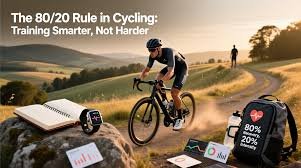
Cycling is one of the most rewarding ways to stay fit travel efficiently and enjoy the outdoors. Whether you ride for daily commuting fitness adventure or leisure improving your cycling technique can significantly enhance your performance safety and overall enjoyment. Riding smarter means understanding your bike mastering proper form and making informed decisions on the road. Riding stronger comes from building endurance strength and efficiency. Riding safer requires awareness preparation and responsible habits.
This complete guide covers essential cycling tips and techniques to help riders of all levels improve their skills confidence and safety on every ride.
Understanding Your Bicycle and Setup
Before improving technique it is important to understand your bicycle and ensure it is properly set up. A well adjusted bike improves comfort efficiency and control while reducing the risk of injury.
Proper saddle height is critical. When seated your leg should have a slight bend at the bottom of the pedal stroke. A saddle that is too low can cause knee pain while one that is too high can reduce control and stability.
Handlebar position also affects posture and comfort. A neutral riding position reduces strain on the back shoulders and wrists. Beginners should avoid aggressive low positions until flexibility and strength improve.
Regular maintenance is essential. Checking tire pressure brakes chain lubrication and bolt tightness before rides ensures your bike performs safely and smoothly.
Mastering Basic Riding Techniques
Good technique allows you to ride longer faster and with less fatigue. Small adjustments in posture and movement can make a big difference.
Maintain a relaxed upper body. Keep your shoulders loose elbows slightly bent and hands light on the handlebars. Tension wastes energy and reduces control.
Pedal in smooth circular motions rather than pushing straight down. Efficient pedaling engages more muscle groups and improves endurance over long distances.
Keep your head up and eyes forward. Looking ahead helps you anticipate obstacles traffic and changes in terrain giving you more time to react safely.
Building Strength and Endurance on the Bike
Riding stronger is about consistency progression and smart training.
Start with steady rides at a comfortable pace to build a strong aerobic base. Gradually increase distance or duration rather than speed alone.
Incorporate interval training once your fitness improves. Short bursts of higher effort followed by recovery periods increase power and cardiovascular efficiency.
Hill riding builds leg strength and improves climbing ability. Stay seated on longer climbs to maintain traction and conserve energy while standing can be useful for short steep sections.
Rest is just as important as training. Muscles grow stronger during recovery so allow time for rest days and lighter rides.
Improving Balance and Bike Control
Strong bike handling skills increase safety and confidence especially in traffic or technical conditions.
Practice riding at slow speeds to improve balance. This skill is useful during tight turns traffic stops and crowded areas.
Learn proper cornering technique. Enter corners at a controlled speed lean the bike rather than your body and keep your outside pedal down for stability.
Use both brakes smoothly. The front brake provides most stopping power while the rear brake adds control. Avoid sudden braking especially on wet or loose surfaces.
Riding Safely in Traffic and Urban Areas
Cycling in traffic requires awareness communication and defensive riding habits.
Always follow traffic rules. Ride predictably obey signals and use designated bike lanes where available.
Position yourself visibly on the road. Riding too close to the curb can increase risk from parked cars and debris. Take a clear lane position when needed.
Use hand signals to communicate turns and stops. Making eye contact with drivers helps ensure they see you.
Stay alert at intersections where most accidents occur. Slow down look both ways and anticipate driver behavior.
Essential Safety Gear for Every Cyclist
Safety equipment plays a crucial role in injury prevention.
A properly fitted helmet is the most important piece of gear. It should sit level on your head and be securely fastened.
Wear bright or reflective clothing especially during low light conditions. Visibility greatly reduces accident risk.
Gloves protect hands improve grip and reduce vibration. Padded cycling gloves also help during long rides.
Front and rear lights are essential even during daytime riding. Lights increase visibility and help others judge your position and speed.
Riding Smarter with Road Awareness
Smart riding is about decision making and situational awareness.
Scan the road ahead for hazards such as potholes gravel wet leaves and road debris. Adjust your line early rather than reacting suddenly.
Be cautious around parked cars to avoid dooring accidents. Keep a safe distance and watch for movement inside vehicles.
Adjust riding style to weather conditions. Wet roads reduce traction so brake earlier and corner more gently.
Never assume others see you. Ride defensively and always have an escape plan.
Cycling Technique for Long Distance and Touring
Long rides require comfort pacing and energy management.
Maintain a steady pace that allows conversation without heavy breathing. Avoid starting too fast as fatigue builds over time.
Change hand positions regularly to prevent numbness and discomfort.
Fuel your body properly. Eat small amounts regularly during long rides and stay hydrated to maintain performance.
Plan routes with rest stops and safe roads especially for multi day touring.
Mental Focus and Confidence on the Bike
Mental strength is just as important as physical ability.
Stay calm and focused in stressful situations. Panic leads to poor decisions while calm awareness improves reaction time.
Build confidence gradually by challenging yourself in controlled environments such as quiet roads or bike paths.
Learn from mistakes rather than fearing them. Every ride improves skills and understanding.
Common Cycling Mistakes to Avoid
Many riders unknowingly develop habits that reduce performance or safety.
Ignoring bike fit can lead to pain and injury. Small adjustments make a big difference.
Overtraining without rest can cause fatigue burnout and injury.
Riding without safety gear increases risk unnecessarily.
Failing to maintain the bike can result in mechanical failures at dangerous moments.
Riding for Health and Lifestyle Benefits
Cycling offers more than speed and strength.
Regular riding improves cardiovascular health joint mobility and mental wellbeing.
Cycling reduces stress and provides a sense of freedom and accomplishment.
Choosing cycling over cars contributes to environmental sustainability and cleaner cities.
Making cycling part of daily life encourages consistency and long term health benefits.
Conclusion
Cycling smarter stronger and safer is a journey not a destination. By understanding your bike improving technique building strength and prioritizing safety every rider can enjoy better performance and greater confidence. Whether commuting training or exploring new routes applying these essential cycling tips and techniques will help you ride with control efficiency and peace of mind.
With practice patience and awareness cycling becomes not only safer but more rewarding with every mile.