
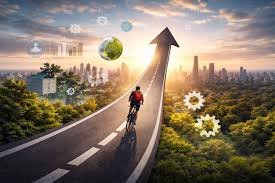
Cycling is no longer just a pastime or a simple way to get from one place to another. Across the globe, it is becoming a central part of modern transportation systems, healthy living, and sustainable city planning. Advances in bicycle technology, growing environmental concerns, and changing social habits are all pushing cycling into a new phase of relevance and growth.
From electric bicycles and digital innovation to infrastructure development and cultural change, the cycling world is evolving rapidly. This article explores the key movements shaping the future of biking and explains why bicycles are becoming more important than ever.
The Bicycle Industry Is Experiencing Strong Global Growth
The global bicycle market continues to expand as more people turn to cycling for transportation, exercise, and recreation. Increased awareness of physical fitness, rising fuel costs, and congestion in major cities have encouraged individuals to look for affordable and efficient alternatives to cars.
Bicycles now serve many roles beyond traditional commuting. They are widely used for leisure riding, fitness training, tourism, and commercial services such as deliveries. This broad range of uses has helped the cycling industry grow steadily across different regions and demographics.
Electric bicycles and multi purpose bike designs are attracting new riders who may not have considered cycling in the past. As production improves and prices become more accessible, bicycles are reaching a wider audience around the world.
Electric Bicycles Are Redefining Everyday Travel
Electric bicycles have become one of the most significant developments in the cycling sector. By offering assisted pedaling, they allow riders to travel longer distances with less physical effort. This has made cycling practical for daily commuting, even in cities with hills, long routes, or heavy traffic.
For many urban residents, electric bikes provide a reliable and cost effective alternative to cars and public transportation. Riders can avoid congestion while reducing fuel expenses and environmental impact.
Electric bikes are also opening cycling to new groups of people. Older adults, casual riders, and individuals returning to cycling after long breaks are finding that electric assistance makes riding enjoyable and manageable. As a result, participation in cycling is becoming more inclusive.
Beyond commuting, electric bicycles are widely used for family transport, cargo hauling, recreational touring, and last mile delivery services. Their versatility has positioned them as a key element of future mobility solutions.
Technology Is Playing a Bigger Role in Cycling
Modern cycling is increasingly shaped by technology. Bicycles today often include smart features that improve safety, performance, and convenience.
Many models offer connectivity with mobile applications that track distance, speed, battery life, and maintenance needs. GPS tracking systems and security features help protect bikes and provide peace of mind for owners.
Advanced electric bicycles can automatically adjust power assistance based on terrain and riding conditions. This makes riding smoother and more efficient while reducing strain on the rider.
Technology is also improving the cycling industry behind the scenes. Digital platforms are enhancing customer service, fleet management, insurance processes, and supply chains. These developments are helping integrate cycling into broader smart mobility networks.
Changing Bike Designs Are Encouraging New Riding Styles
The cycling market has seen a shift toward flexible and adaptable bike designs. Riders are increasingly choosing bicycles that can handle multiple riding conditions rather than models built for a single purpose.
Gravel bikes have gained widespread popularity because they perform well on both paved roads and uneven surfaces. These bikes encourage exploration and adventure while offering comfort and stability.
With features such as wider tires, relaxed riding positions, and mounting options for gear, gravel bikes appeal to commuters, travelers, and recreational riders alike. Many cyclists now prefer owning one versatile bike instead of several specialized ones.
Road bikes and performance models are also evolving. Modern designs focus on efficiency, comfort, and integration. Electronic shifting, improved aerodynamics, and advanced materials are becoming more common, even beyond the premium segment.
Infrastructure Investment Is Supporting Cycling Growth
The expansion of cycling depends heavily on safe and accessible infrastructure. Cities around the world are investing in protected bike lanes, improved intersections, and traffic calming measures to create safer environments for riders.
European cities continue to set examples by building interconnected cycling networks that support daily commuting, leisure riding, and tourism. Long distance cycling routes are also growing in popularity, helping connect regions and support local economies.
Government policies play an important role in shaping cycling adoption. While many authorities support cycling through funding and planning, discussions around regulations such as safety standards and e bike usage continue as cycling becomes more widespread.
Safety and Product Quality Are Increasingly Important
As more people adopt cycling, safety and reliability have become major concerns. Advances in materials and engineering have improved bicycle performance but also require strict quality control.
Manufacturers are placing greater emphasis on testing, durability, and compliance with safety standards. Occasional recalls highlight the importance of consumer awareness and responsible production.
Public education campaigns are also helping promote safer riding habits. Topics such as helmet use, visibility, and shared road responsibility are becoming more prominent, particularly as electric bikes gain popularity in urban areas.
Cycling Culture Is Becoming Broader and More Inclusive
Cycling culture is evolving to reflect modern values and lifestyles. Participation is growing among women, families, older riders, and younger generations.
Community based initiatives, group rides, and beginner friendly programs are making cycling more approachable. These efforts help remove barriers and encourage people to see cycling as a normal part of everyday life.
Cycling tourism is also changing. Many riders now focus on enjoyment, wellness, and sustainability rather than speed or competition. Scenic routes and relaxed travel experiences are attracting a wider audience to cycling based holidays.
Global Trends Show Cycling’s Expanding Influence
Different regions are contributing to cycling’s growth in unique ways. Europe continues to lead in infrastructure development and everyday cycling culture. Northern European countries remain pioneers in electric bike adoption.
In parts of Asia and Latin America, cycling is growing rapidly due to affordability, dense urban populations, and supportive government programs. These regions highlight cycling’s ability to adapt to different economic and social conditions.
Together, these developments show that cycling is a global solution with relevance across cultures and environments.
The Future Direction of Cycling
The future of cycling will be shaped by continued innovation and integration. Electric bicycles will play an increasingly important role in transportation systems. Smart technology will enhance rider experience and safety. Infrastructure investment will determine how deeply cycling becomes embedded in urban life.
Environmental challenges and public health concerns will continue to drive interest in cycling. As cities seek solutions to pollution, congestion, and rising living costs, bicycles offer a practical and sustainable answer.
Closing Thoughts
Cycling is moving into a new era defined by accessibility, innovation, and global impact. What began as a simple means of transport has become a key element of modern mobility and lifestyle choices.
With ongoing advancements in technology, infrastructure, and community engagement, cycling is well positioned to shape the future of transportation. For individuals and cities alike, bicycles represent a healthier, cleaner, and more connected way forward.